Adult Children of Alcoholics & Dysfunctional Families
Lone Star Intergroup
ACA GROUPS FROM CENTRAL, SOUTH, AND WEST TEXAS
JUNE 27, 2026 In-person Workshop: Building Better Boundaries in ACA (Lone Star Intergroup)
What is ACA?
Adult Children of Alcoholics and Dysfunctional Families (ACA) is a 12 Step recovery program for individuals who grew up in alcoholic/substance abuse or dysfunctional homes. ACA is based on the belief that the disease of alcoholism and family dysfunction infected us as children and continues to affect us as adults. It is for people who want to heal their relationship with themselves.

Are you an “Adult Child?”
An adult child is someone who meets the demands of life with survival techniques learned as children. Without help, we unknowingly operate with ineffective thoughts, judgments, and unhealthy coping behaviors that can sabotage our decisions and relationships.
Shared Traits of an Adult Child
These are some characteristics we seem to have in common due to being brought up in an alcoholic/substance abuse or dysfunctional household. For many of us, it was like reading our own biography. If you find yourself nodding along, thinking “How did they know?,” you’re in the right place.
We became isolated and afraid of people and authority figures.
We became approval seekers and lost our identity in the process.
We are frightened by angry people and any personal criticism.
We either become alcoholics, marry them, or both, or find another compulsive personality such as a workaholic to fulfill our sick abandonment needs.
We live life from the viewpoint of victims and are attracted by that weakness in our love and friendship relationships.
We have an overdeveloped sense of responsibility and it is easier for us to be concerned with others rather than ourselves; this enables us not to look too closely at our own faults, etc.
We get guilt feelings when we stand up for ourselves instead of giving in to others.
We become addicted to excitement.
We confuse love and pity and tend to “love” people we can “pity” and “rescue.”
We have “stuffed” our feelings from our traumatic childhoods and have lost the ability to feel or express our feelings because it hurts so much (denial).
We judge ourselves harshly and have a very low sense of self-esteem.
We are dependent personalities who are terrified of abandonment and will do anything to hold on to a relationship in order not to experience painful abandonment feelings which we received from living with sick people who were never there emotionally for us.
Alcoholism is a family disease and we became para-alcoholics and took on the characteristics of that disease even though we did not pick up the drink.
Para-alcoholics are reactors rather than actors.
The Laundry List is copyright by Adult Children of Alcoholics® & Dysfunctional Families World Service Organization, Inc.
To cover our fear of people and our dread of isolation we tragically become the very authority figures who frighten others and cause them to withdraw.
To avoid becoming enmeshed and entangled with other people and losing ourselves in the process, we become rigidly self-sufficient. We disdain the approval of others.
We frighten people with our anger and threat of belittling criticism.
We dominate others and abandon them before they can abandon us or we avoid relationships with dependent people altogether. To avoid being hurt, we isolate and dissociate and thereby abandon ourselves.
We live life from the standpoint of a victimizer, and are attracted to people we can manipulate and control in our important relationships.
We are irresponsible and self-centered. Our inflated sense of self-worth and self-importance prevents us from seeing our deficiencies and shortcomings.
We make others feel guilty when they attempt to assert themselves.
We inhibit our fear by staying deadened and numb.
We hate people who “play” the victim and beg to be rescued.
We deny that we’ve been hurt and are suppressing our emotions by the dramatic expression of “pseudo” feelings.
To protect ourselves from self punishment for failing to “save” the family we project our self-hate onto others and punish them instead.
We “manage” the massive amount of deprivation we feel, coming from abandonment within the home, by quickly letting go of relationships that threaten our “independence” (not too close).
We refuse to admit we’ve been affected by family dysfunction or that there was dysfunction in the home or that we have internalized any of the family’s destructive attitudes and behaviors.
We act as if we are nothing like the dependent people who raised us.
The Other Laundry List is copyright by Adult Children of Alcoholics® & Dysfunctional Families World Service Organization, Inc.
While the original Laundry List describes how we were affected by alcoholism and family dysfunction, we realize that as adults, we might, in turn, “act out” those traits by becoming victimizers. In other words, adult children, by adopting their parents’ behaviors, “become” their parents. This simple observation planted the seed for the development of The Other Laundry List and provides a fuller picture of how we are affected by the effects of alcoholism/substance abuse and family dysfunction.
The Laundry List
The Other Laundry List
Find Hope. Find Healing.
Find a Meeting.
You are not alone and recovery is possible.
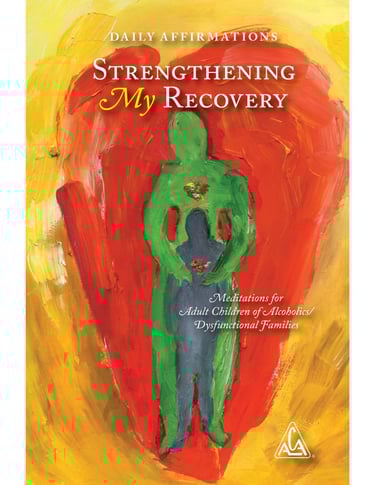
Today's Reading from Strengthening My Recovery
WSO Registered Intergroup #600 lonestaraca@gmail.com
©2026 Lone Star Intergroup